In the competitive landscape of trade shows, effective event branding serves as a critical differentiator that can considerably influence attendee perception and engagement. Crafting a cohesive brand identity that resonates with your target audience involves not only visual elements but also strategic storytelling and interactive experiences. Understanding event branding tips for trade shows can lead to measurable successes, particularly in booth design and audience engagement. However, the intricacies of implementing these strategies effectively often remain overlooked. What are the essential components that can elevate your brand’s presence and guarantee a lasting impact?
Key Takeaways
- Develop a cohesive brand identity with a unified logo, color palette, and messaging for instant recognition and lasting impact.
- Design an inviting trade show booth using bold colors and graphics that clearly communicate your value proposition to attendees.
- Incorporate interactive elements in your booth to foster community engagement and encourage visitors to participate actively.
- Utilize immersive experiences and technology to captivate your audience, making interactions personal and memorable.
- Measure success through lead generation, brand awareness surveys, and engagement metrics to continuously refine your branding strategies.
Understanding Event Branding
Understanding event branding is essential for creating a memorable experience that resonates with attendees and enhances your organization’s image. Effective event branding goes beyond logos and slogans; it encapsulates the essence of your brand, fostering a sense of belonging among participants. By establishing a cohesive theme that reflects your organization’s values, you invite attendees to connect on a deeper level. This connection not only amplifies engagement but also encourages loyalty, making attendees feel like valued members of a community. Additionally, strategic event branding can differentiate your presence in a crowded marketplace, ensuring that your message is both clear and impactful. Ultimately, well-executed event branding serves to elevate the overall experience, leaving a lasting impression that encourages future participation.
Key Elements of Effective Branding
Effective branding is the cornerstone of a successful event, particularly in the competitive landscape of trade shows. To create a lasting impact, focus on a cohesive brand identity that resonates with your target audience. Your logo, color palette, and messaging should align seamlessly, fostering recognition and trust. Additionally, storytelling plays a pivotal role; weave narratives that highlight your brand’s values and mission, inviting attendees to connect emotionally. Consistent communication across all platforms—whether digital or physical—enhances your visibility and reinforces your message. Engage your audience with interactive experiences that encourage participation and foster connections. Ultimately, these key elements of effective branding not only elevate your presence but also cultivate a sense of belonging among your audience, making them more likely to engage with your brand.
Designing Your Trade Show Booth
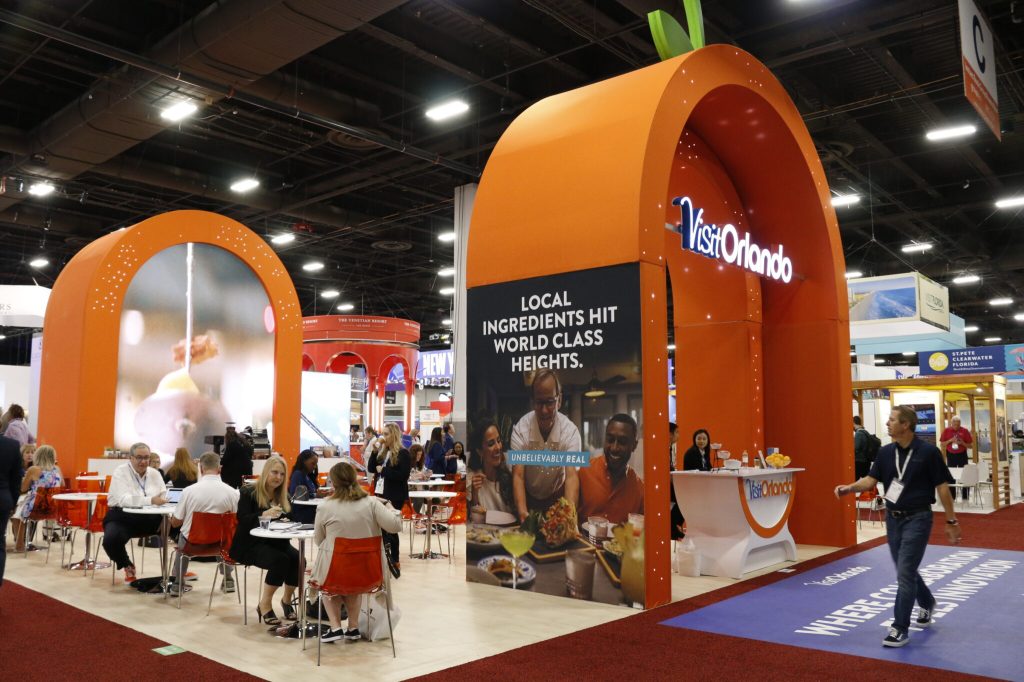
A well-designed trade show booth serves as the visual heartbeat of your brand, enchanting attendees and drawing them into your narrative. To capture attention, focus on creating an inviting and cohesive design that reflects your brand identity. Use bold colors, striking graphics, and clear messaging to communicate your unique value proposition. Incorporate interactive elements that encourage exploration and foster a sense of community among visitors. Additionally, consider the layout carefully; guarantee that it promotes easy navigation while maximizing engagement opportunities. Remember, your booth should not only attract but also resonate with attendees, making them feel connected to your brand. By following these event branding tips for trade shows, you’ll create an unforgettable experience that encourages lasting relationships.
Engaging Your Audience
Engaging your audience extends beyond the visual appeal of your trade show booth; it requires a strategic approach to interaction. To truly connect with attendees, create immersive experiences that foster participation and dialogue. Utilize interactive technology, such as touchscreens and virtual reality, to invite exploration and curiosity. Offering engaging presentations or live demonstrations can also captivate attention and encourage attendees to share their experiences with others.
Moreover, personalizing interactions can make participants feel valued and included. Train your staff to actively listen and respond to inquiries, creating a welcoming atmosphere that promotes belonging. Finally, consider incorporating social media elements to encourage sharing, further extending your reach. These event branding tips for trade shows are essential for cultivating lasting relationships and enhancing brand loyalty.
Measuring Branding Success
While implementing robust event branding strategies at trade shows is essential, measuring the success of these efforts is equally important for future improvements. To effectively gauge your branding impact, consider the following metrics:
- Lead Generation: Track the number and quality of leads collected during the event.
- Brand Awareness: Utilize surveys to assess attendees’ recognition and recall of your brand.
- Engagement Levels: Monitor social media interactions and booth traffic to evaluate audience engagement.
- Post-Event Follow-Up: Analyze conversion rates from leads to customers after the event.
Conclusion
In summary, effective event branding at trade shows is essential for maximizing visibility and engagement. A cohesive brand identity, characterized by bold visuals and interactive elements, not only attracts attendees but also fosters meaningful connections. By prioritizing thoughtful booth design and leveraging storytelling, brands can effectively communicate their values. Additionally, encouraging social media sharing extends the reach and enhances the overall impact. Implementing these strategies will guarantee a successful trade show experience, ultimately driving brand recognition and loyalty.
 Vista Vibes